
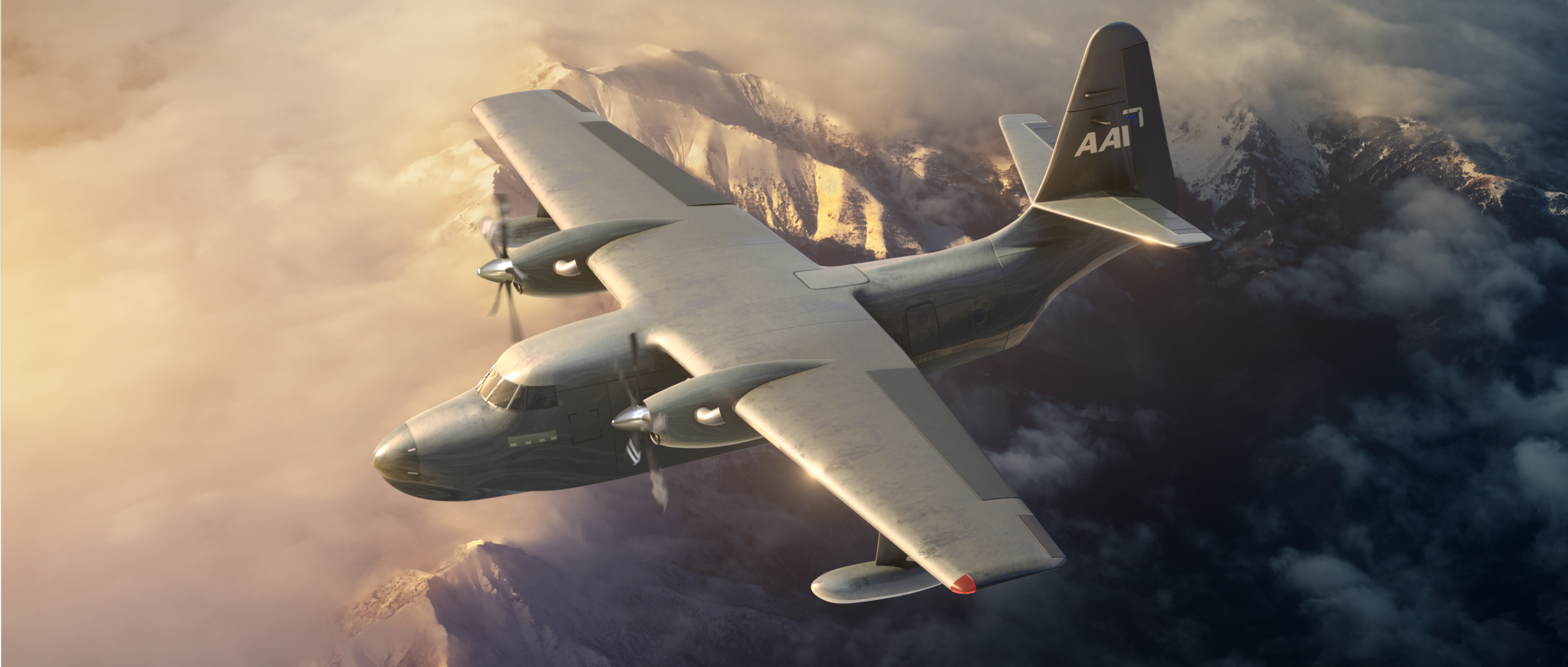
One Aircraft.
Many Missions.
Rapid role change is designed to enable the US-M Super Albatross to support diverse mission sets without changing platforms, expanding fleets or increasing infrastructure dependency.
Anti-Submarine Warfare
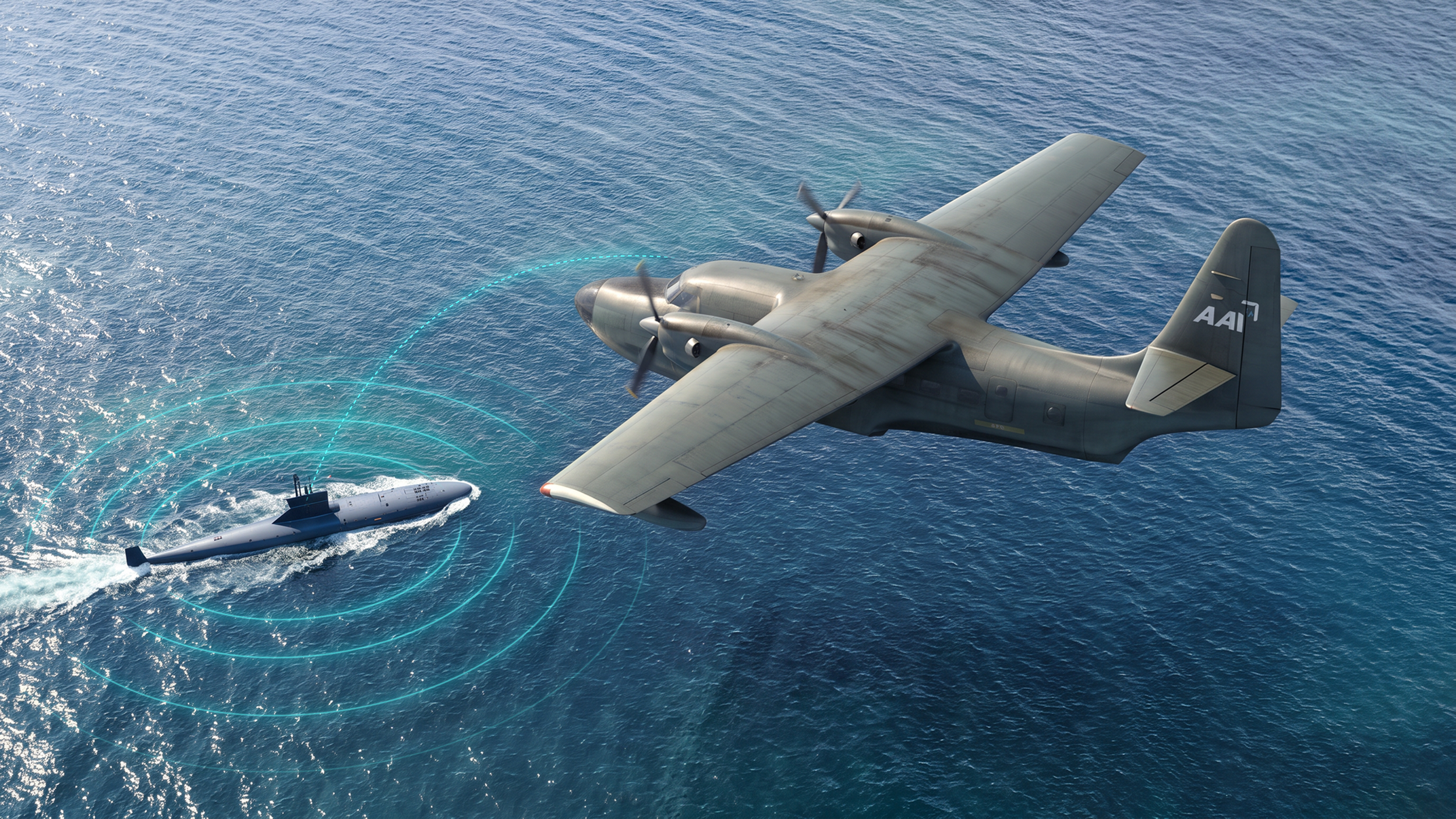
Mission equipment shown for illustration. Integration, qualification and export approval are not implied.
A configurable ASW architecture can support maritime surveillance, submarine detection and subsurface reconnaissance across remote operating areas.
• Maritime surveillance radar
• Magnetic Anomaly Detection capability
• High-resolution electro-optical and infrared sensors
• Accommodation for acoustic sensors and sonobuoy deployment
• Launchable remote-operated vehicles for subsurface reconnaissance
• External mission stations subject to final configuration and approval
Search and Rescue and Maritime Patrol
Extended reach. Direct water access.
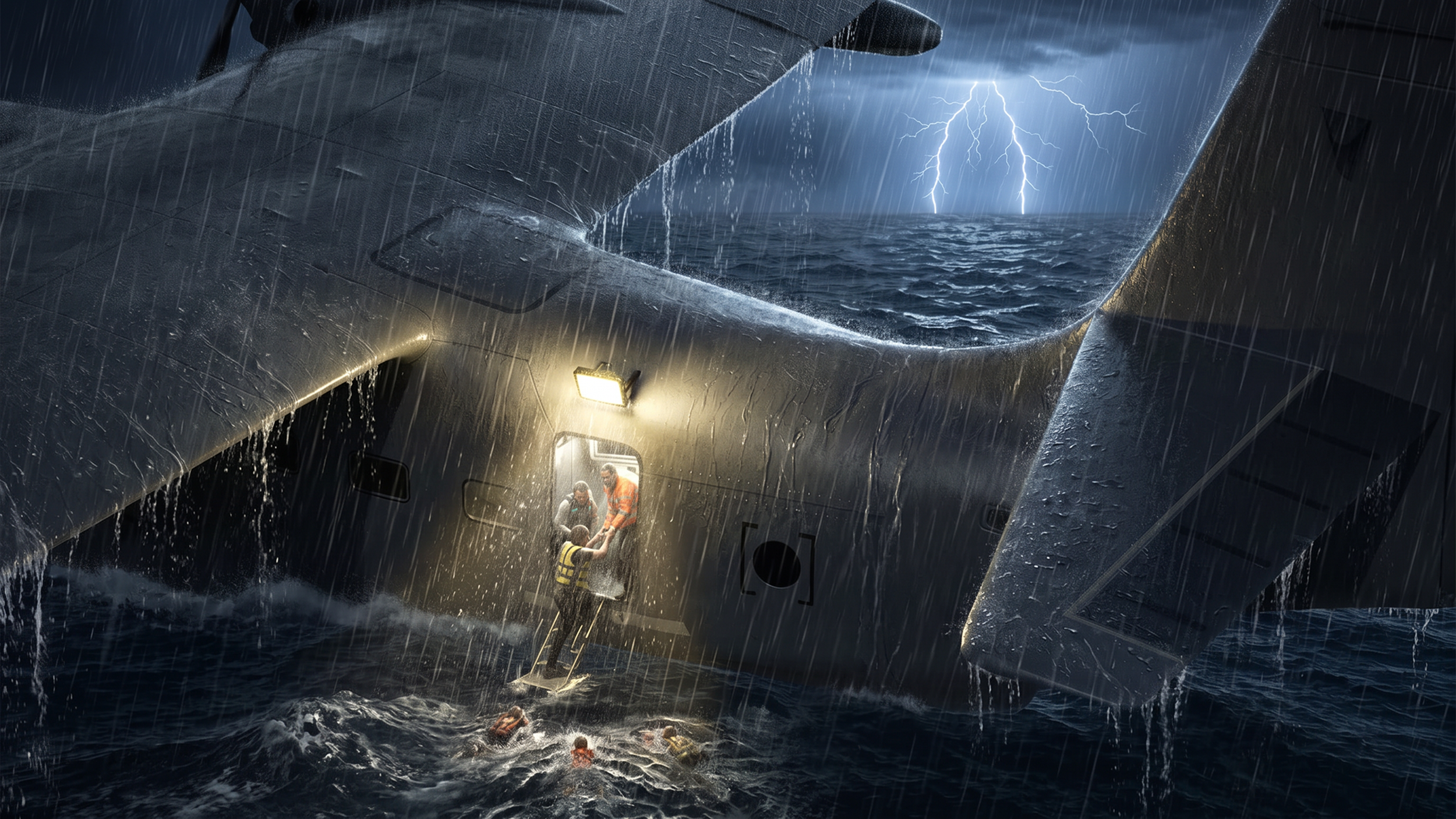
Mission equipment shown for illustration. Integration, qualification and export approval are not implied.
The aircraft is designed to combine maritime patrol sensors, extended fixed-wing reach and water-operating capability to support search, location and survivor recovery.
• Multi-mode maritime weather and search radar
• EO/IR turret and observation windows
• VIDAR, LIDAR and electromagnetic scan options
• Rescue-swimmer deployment capability
• Droppable SAR buoys, life rafts and launchable rescue equipment
• Capacity for up to 12 SAR crew or evacuees, subject to configuration
Aeromedical Evacuation
Care from point of recovery to point of treatment.
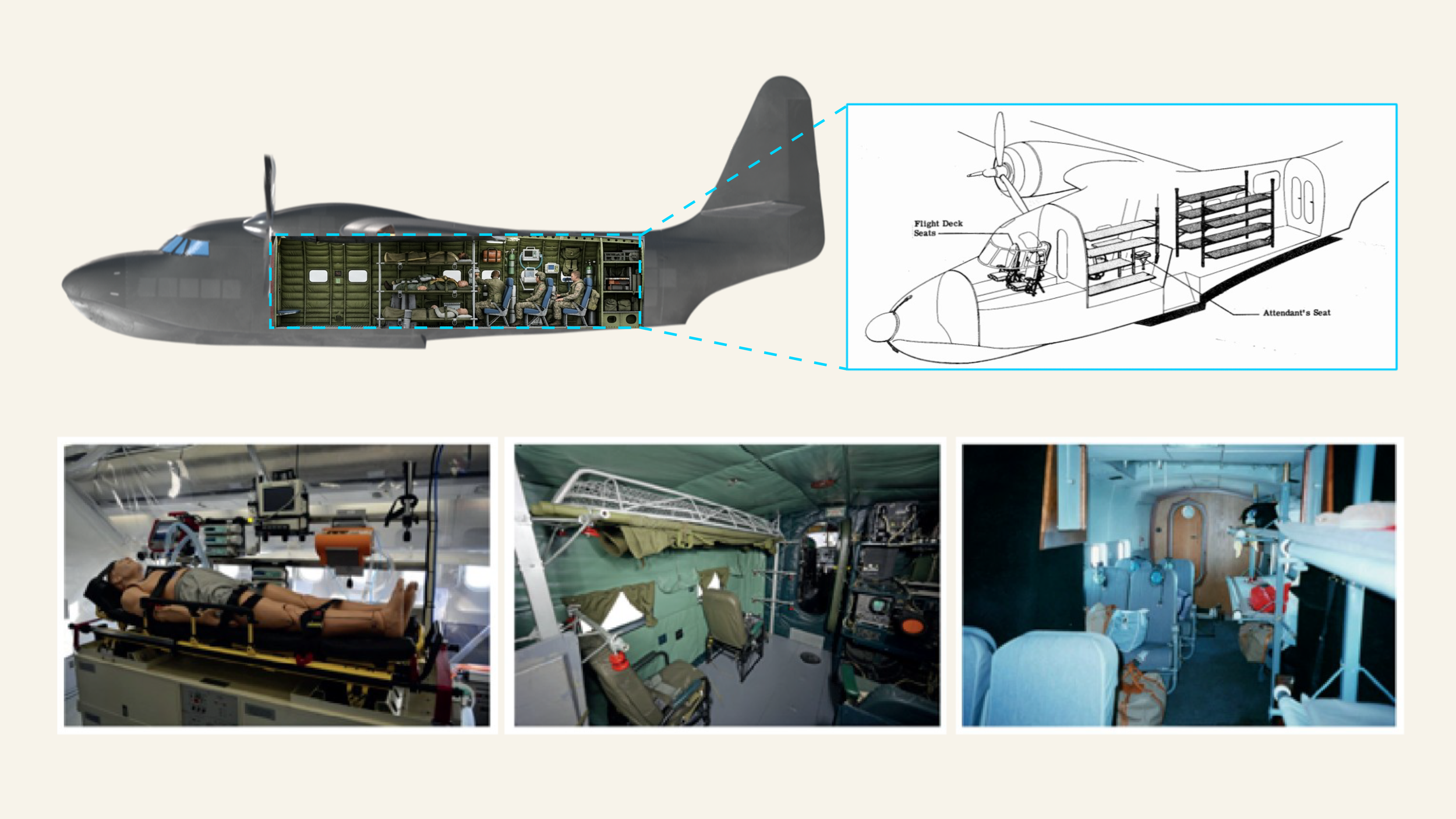
Mission equipment shown for illustration. Integration, qualification and export approval are not implied.
The full-standing-height cabin can be configured for remote medical response, casualty evacuation and in-flight treatment across infrastructure-limited environments.
• Up to 12 stretchers in a mass-casualty configuration
• Treatment and light-surgical station options
• Power-loader capability for water-level casualty recovery
• In-transit life-support capability
• Flexible fit-out for trauma care, triage and humanitarian missions
Cargo and Logistics
Logistics beyond established ports and airfields.
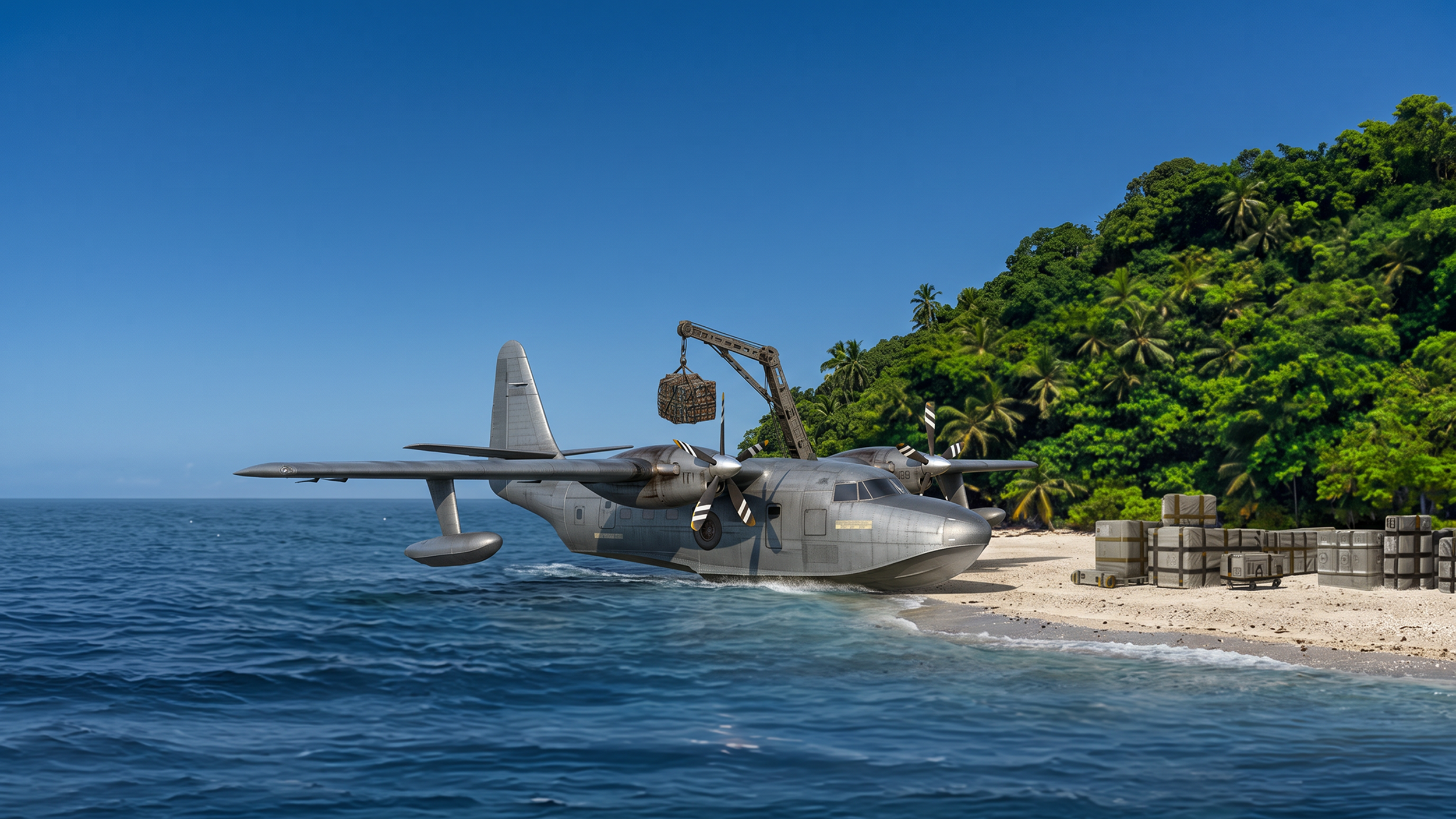
Mission equipment shown for illustration. Integration, qualification and export approval are not implied.
The US-M Super Albatross is designed to support waterborne and land-based supply missions across ships, islands, coastal forward locations and disaster-affected regions.
• Payload capacity up to 4.5 tonnes
• Quick-fit cargo lockers and configurable restraints
• Enlarged cargo-door and lifting-system options
• Watertight towable pods for maritime transhipment
• Water-level loading and unloading capability
Special Operations
Mission
Support across remote and asymmetric environments.
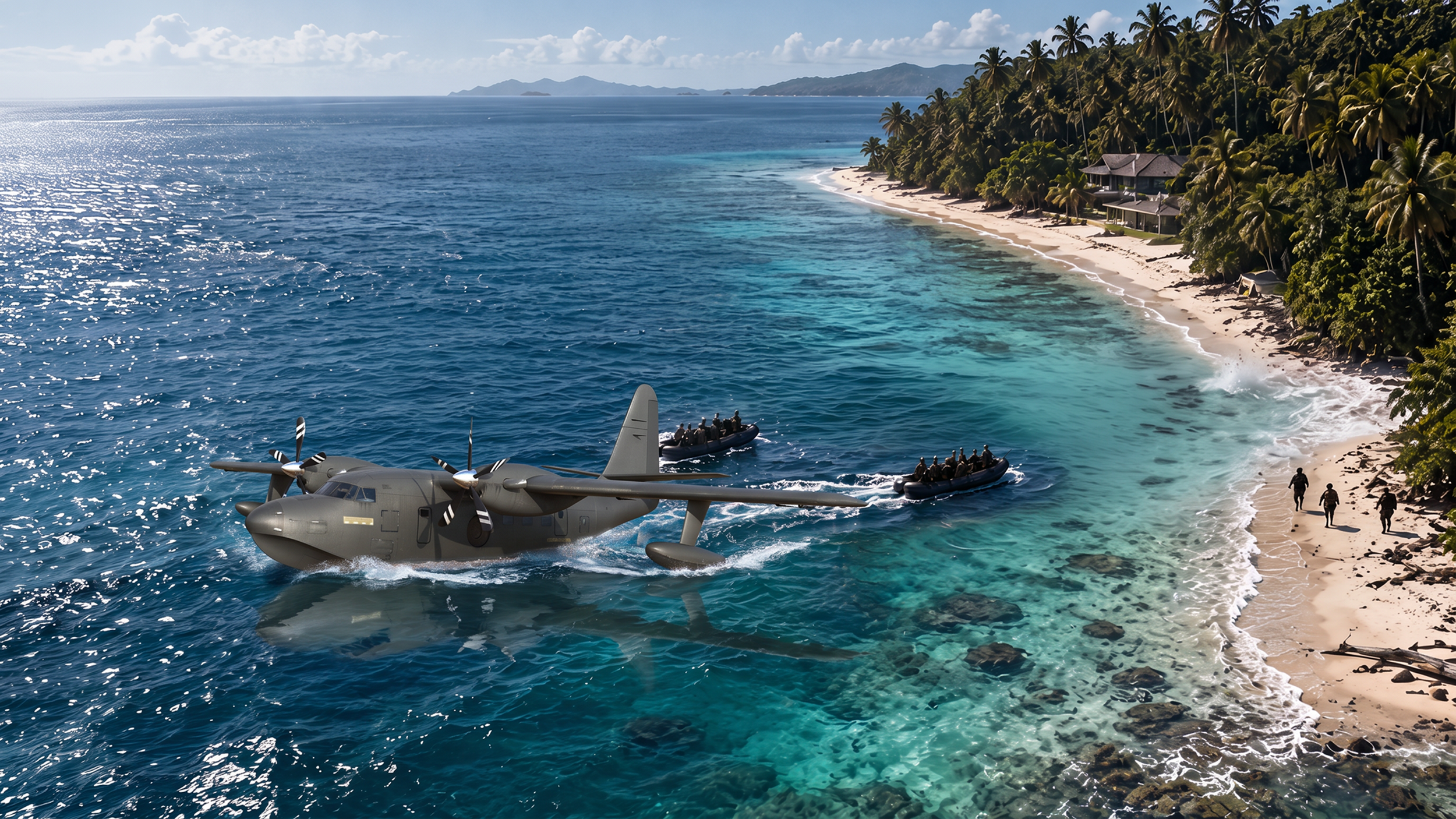
Mission equipment shown for illustration. Integration, qualification and export approval are not implied.
Configurable surveillance, communications and mission-computing systems can support border security, signal intelligence, remote-area operations and special-operations deployment.
• EO/IR, SAR/ISAR and maritime-domain-awareness sensor compatibility
• Secure onboard mission computing and data fusion
• Tactical-lighting and reduced-signature options
• Configurable protection and survivability systems
• Insertion, extraction and support through sea or remote terrain
Humanitarian and Disaster Response
Access when conventional infrastructure is disrupted.
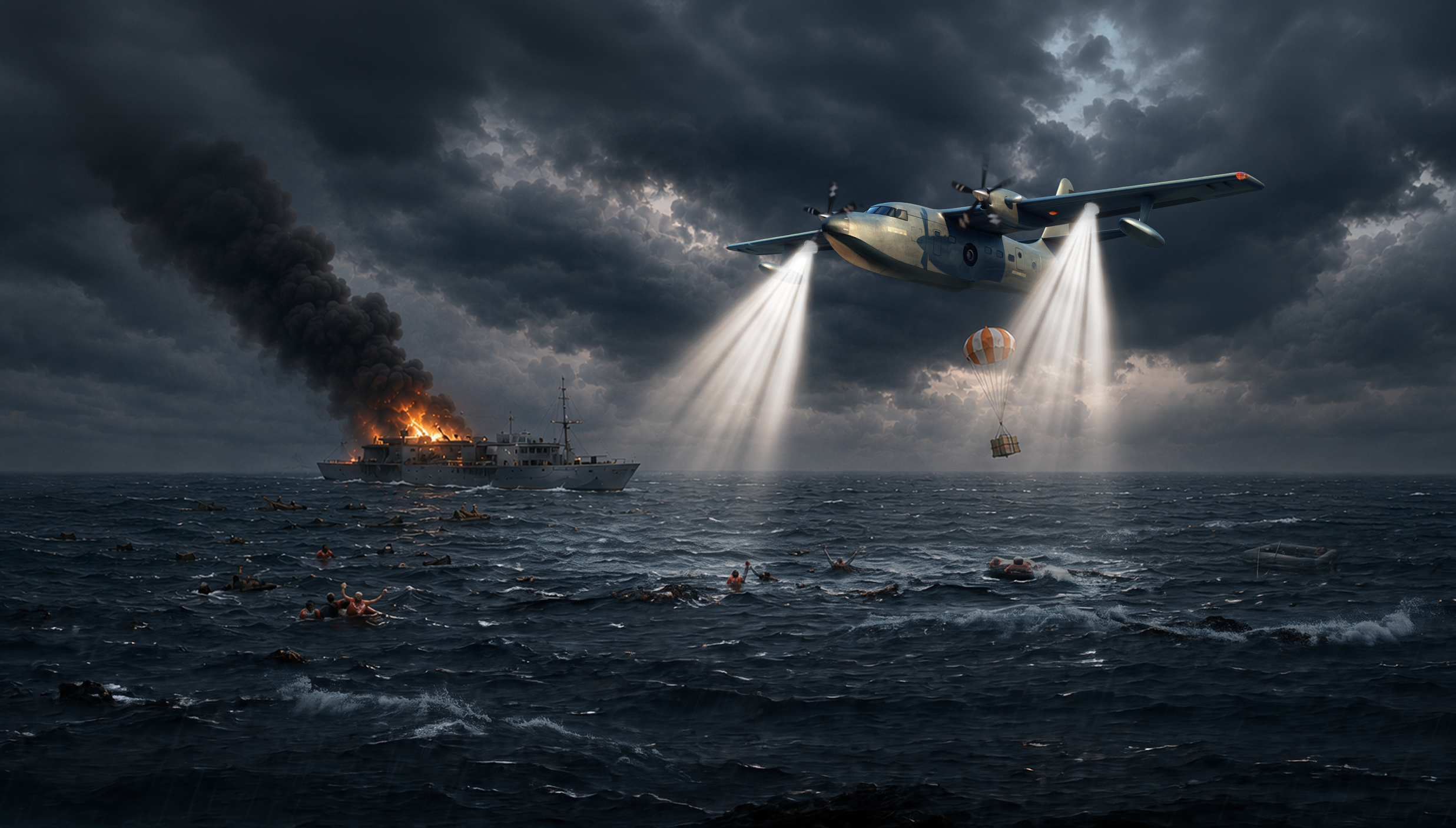
Mission equipment shown for illustration. Integration, qualification and export approval are not implied.
Amphibious operations can support evacuation, relief delivery, medical response and inter-agency coordination across flooded, isolated or infrastructure-denied areas.